
 Brian Dương
#What is Cashew Flour? What is it Used For?
What is Cashew Flour? What is it Used For?
27/05/2025 -
Nội dung bài viết
In recent years, as the demand for gluten-free and nutrient-dense alternatives has surged, cashew flour has emerged as a favorite among chefs, health-conscious consumers, and home bakers. Made from finely ground cashew nuts, this versatile flour adds a unique flavor, richness, and nutritional boost to a wide range of recipes.
In this article, we’ll explore what cashew flour is, its nutritional profile, and the many ways it can be used—from baking to industrial applications.
What is Cashew Flour?
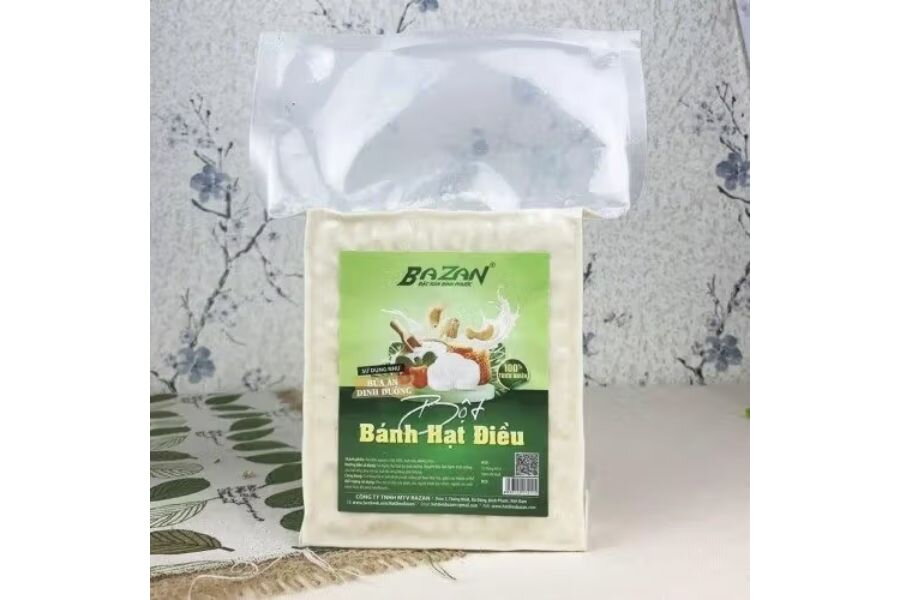
Cashew flour (also known as cashew meal or cashew powder) is produced by grinding whole raw or roasted cashew nuts into a fine, soft-textured flour. Unlike cashew cake (a byproduct after oil extraction), cashew flour is made from the whole nut, retaining its natural oils, flavor, and nutrients.
It has a mildly sweet, buttery taste and a rich, creamy texture, making it a popular choice in recipes that require a moist, dense structure.
Cashew flour is:
-
Gluten-free
-
Grain-free
-
Paleo-friendly
-
Vegan and keto compatible
-
Naturally dairy- and soy-free
This makes it an ideal flour substitute for people with food allergies or those following specialized diets.
Nutritional Benefits of Cashew Flour
Cashew flour is not just a great cooking ingredient—it’s also packed with essential nutrients, making it a healthier alternative to traditional wheat flour or other grain-based flours.
Key Nutrients in Cashew Flour:
-
Healthy Fats: High in monounsaturated and polyunsaturated fats, which support cardiovascular health.
-
Protein: Offers a plant-based protein source that promotes muscle repair and growth.
-
Magnesium: Helps with energy metabolism, muscle function, and bone strength.
-
Phosphorus and Copper: Support bone development and immune function.
-
Antioxidants: Contains vitamin E and flavonoids that help combat oxidative stress.
Cashew flour is lower in carbohydrates than refined wheat flour, and its high fat and protein content makes it a good choice for those on low-carb or high-fat diets like keto or paleo.
What is Cashew Flour Used For?
Thanks to its smooth consistency and nutty-sweet flavor, cashew flour is an incredibly versatile ingredient. It can be used in both sweet and savory dishes, as well as in commercial food products.
1. Baking
Cashew flour is widely used as a gluten-free flour substitute in baking.
Popular cashew flour recipes include:
-
Cookies: It gives a soft, chewy texture with a rich flavor.
-
Brownies and blondies: Adds moisture and richness.
-
Cakes and cupcakes: Provides a tender crumb and naturally sweet taste.
-
Muffins: Pairs well with fruits, chocolate, and spices.
-
Pancakes and waffles: Makes them soft and flavorful with a nice crust when pan-fried.
Tip: When baking, cashew flour can be used on its own or combined with other gluten-free flours like almond, coconut, or tapioca flour for structure and elasticity.
2. Bread & Crusts
While it’s not ideal for yeasted bread due to its lack of gluten, cashew flour is great for:
-
Flatbreads
-
Quick breads
-
Pizza crusts
-
Pastry doughs
The high fat content adds richness and a satisfying mouthfeel to grain-free doughs.
3. Thickener for Sauces and Soups
Cashew flour is an excellent natural thickening agent. It blends easily and doesn’t clump like traditional flour, making it useful for:
-
Creamy soups
-
Vegan cheese sauces
-
Pasta sauces
-
Curry bases
Its creamy consistency adds body and smoothness, especially to dairy-free or vegan recipes.
4. Coating for Frying
Cashew flour can be used as a grain-free breading for:
-
Chicken
-
Fish
-
Tofu
-
Vegetables (e.g., zucchini sticks)
It crisps up nicely when fried or baked, and its natural oils help achieve a golden finish without needing excessive added fat.
5. Energy Balls and No-Bake Treats
Because of its rich flavor and texture, cashew flour is perfect in:
-
Raw energy balls
-
No-bake protein bars
-
Nut butter cookies
It acts as a binding agent and adds nutritional value with healthy fats and plant-based protein.
6. Industrial and Commercial Uses
Beyond home kitchens, cashew flour is also used by:
-
Snack manufacturers for gluten-free chips, protein bites, and cookies.
-
Vegan food companies as a base for plant-based cheese spreads and dips.
-
Health food producers for creating baking mixes and specialty flour blends.
Its functional properties and clean-label appeal make it attractive for food companies focusing on natural, allergen-free products.
Sustainability and Ethical Sourcing
Cashew flour is often produced in cashew-growing regions like Vietnam, India, and West Africa. When made using responsibly sourced cashews, the flour supports:
-
Local farmers and cooperatives
-
Zero-waste cashew processing (flour can be made from whole or broken nuts)
-
Sustainable farming practices
Choosing cashew flour from ethically certified sources helps promote environmental responsibility and fair trade.
How to Store Cashew Flour
Due to its high oil content, cashew flour can go rancid if not stored properly. To maximize shelf life:
-
Store in an airtight container.
-
Keep in a cool, dry place away from light.
-
For longer storage, refrigerate or freeze to preserve freshness.
When stored well, cashew flour can last up to 6 months in the pantry or 12 months in the freezer.
Where to Buy Cashew Flour
Cashew flour is available in:
-
Health food stores
-
Online marketplaces
-
Specialty flour brands
-
Bulk and wholesale suppliers
Look for:
-
“100% cashew flour” or “pure cashew meal” on the label.
-
No additives or fillers.
-
Optional: Organic certification.
Some producers also offer defatted cashew flour (from cashew cake), which has lower fat content and is more suitable for industrial baking.
How Much Does Cashew Flour Cost?
The cost of cashew flour varies depending on:
-
Country of origin
-
Processing quality
-
Fat content (full-fat vs. defatted)
-
Organic certification
Average retail price (2024):
| Type | Price per kg (USD) |
|---|---|
| Full-fat cashew flour (whole nuts) | $6 – $12 |
| Defatted cashew cake flour | $3 – $6 |
| Organic certified | $10 – $15 |
In bulk, prices may drop to $2–$4/kg depending on quantity and supplier agreements.
Final Thoughts
Cashew flour is a nutrient-dense, gluten-free, and flavorful alternative to traditional flours. Its versatility makes it a great choice for baking, thickening, breading, and more. Beyond the kitchen, its use in commercial and industrial food products continues to grow.
With its rich taste, health benefits, and clean-label appeal, cashew flour is more than just a trend—it’s a smart, sustainable, and delicious way to enhance your food.
Xem thêm: https://foods.be5.com.vn/hat-dieu-rang-cui/
Learn more: https://cotham.org/cashew-nuts/
TVQuản trị viênQuản trị viên
Xin chào quý khách. Quý khách hãy để lại bình luận, chúng tôi sẽ phản hồi sớm