
 Brian Dương
#What Is Rice Husk? What Is It Used For?
What Is Rice Husk? What Is It Used For?
27/05/2025 -
Nội dung bài viết
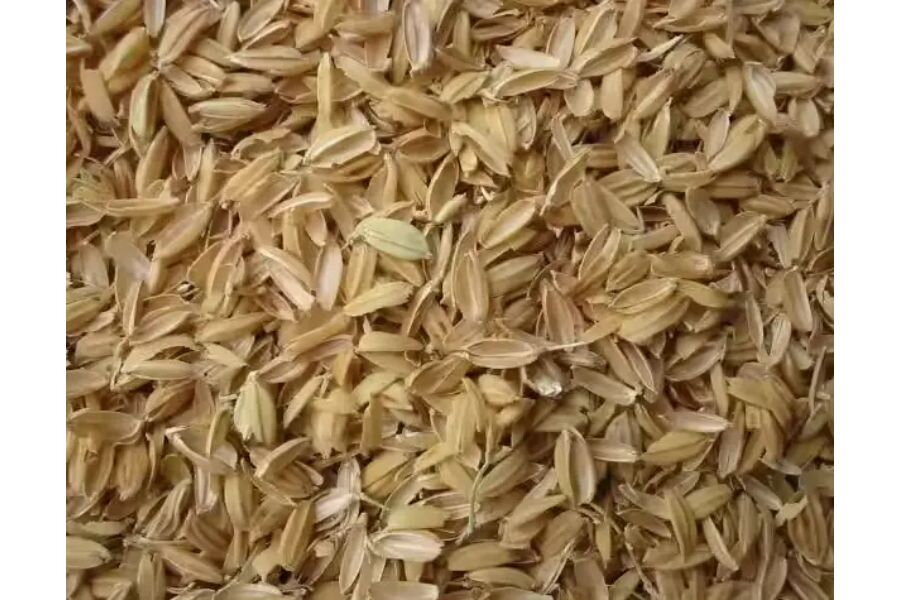
Rice husk, also known as rice hull, is the protective outer shell that surrounds the rice grain. It is a byproduct of rice milling, often discarded or considered waste. However, rice husk has gained increasing attention in various industries due to its unique properties and diverse applications. This article explores what rice husk is, its composition, and the many ways it is utilized in agriculture, industry, and environmental management.
Understanding Rice Husk
Rice husk is the tough, fibrous coating that encases the rice kernel. It acts as a natural barrier protecting the seed during growth, shielding it from pests, weather, and mechanical damage. During rice processing, the husk is removed to produce polished rice, leaving behind a large volume of husk material.
Composition of Rice Husk
Rice husk is primarily composed of:
-
Silica (15-20%): A significant amount of silica gives rice husk high thermal resistance.
-
Cellulose and Hemicellulose: These provide structural strength.
-
Lignin: Binds the cellulose fibers together.
-
Moisture: Typically low but varies depending on storage.
This unique composition makes rice husk lightweight, durable, and resistant to degradation, making it suitable for many applications.
Physical Characteristics of Rice Husk
-
Color: Light brown to greyish.
-
Texture: Hard, coarse, and fibrous.
-
Shape: Thin, elongated, and curved to fit the grain.
-
Weight: Very light and bulky.
Uses of Rice Husk
Rice husk’s distinctive features have led to its use in a variety of sectors:
1. Agriculture
-
Mulch and Soil Conditioner: Rice husk improves soil aeration and moisture retention when used as mulch or mixed into the soil.
-
Animal Bedding: Its absorbent and soft nature makes it ideal as bedding for livestock.
-
Compost Material: A component in organic compost to improve texture and nutrient balance.
2. Energy and Fuel
-
Biofuel: Rice husk can be burned directly as a biomass fuel in boilers and furnaces.
-
Rice Husk Briquettes: Compressed into briquettes, they provide an eco-friendly alternative to coal and wood.
-
Rice Husk Ash: The ash remaining after burning is rich in silica and used in other industries.
3. Industrial Applications
-
Building Materials: Used in lightweight concrete, bricks, and insulation panels.
-
Silica Extraction: Rice husk ash is processed to extract high-purity silica for use in glass, ceramics, and electronics.
-
Activated Carbon: Produced from rice husk for water purification and air filtration.
4. Environmental Management
-
Waste Recycling: Utilized in reducing agricultural waste by converting it into valuable products.
-
Soil Remediation: Used in bioremediation to absorb heavy metals and pollutants.
5. Household and Crafts
-
Fuel for Cooking: In rural areas, rice husk is used as a low-cost cooking fuel.
-
Handicrafts: Processed into panels and mats for eco-friendly crafts.
Advantages of Using Rice Husk
-
Renewable and Abundant: A readily available agricultural byproduct.
-
Cost-Effective: Low-cost raw material for many applications.
-
Eco-Friendly: Promotes waste recycling and reduces reliance on fossil fuels.
-
High Silica Content: Valuable for industrial use.
Challenges in Rice Husk Utilization
-
Bulkiness: Difficult and costly to transport due to low density.
-
Combustion Issues: High silica content leads to ash that can cause fouling in boilers.
-
Storage: Prone to microbial growth if stored improperly.
Conclusion
Rice husk, once considered agricultural waste, has emerged as a versatile and valuable resource across multiple industries. From improving soil health and serving as biofuel to its use in construction and environmental remediation, rice husk’s potential is vast. Embracing rice husk utilization not only supports sustainable agriculture but also contributes to eco-friendly industrial practices.
Learn more: Rice Husk
TVQuản trị viênQuản trị viên
Xin chào quý khách. Quý khách hãy để lại bình luận, chúng tôi sẽ phản hồi sớm