
 Brian Dương
#What Is Vietnamese Brown Rice? How to Identify It Compared to Other Types of Rice
What Is Vietnamese Brown Rice? How to Identify It Compared to Other Types of Rice
27/05/2025 -
Nội dung bài viết
Vietnamese brown rice is gaining popularity worldwide as a nutritious alternative to white rice, offering rich fiber content, essential nutrients, and a distinct flavor that appeals to health-conscious consumers and food enthusiasts. This whole-grain rice variety maintains its bran and germ layers, preserving natural goodness that is often lost in refined rice. This article explores what Vietnamese brown rice is and how to identify it compared to other common types of rice.
Understanding Vietnamese Brown Rice
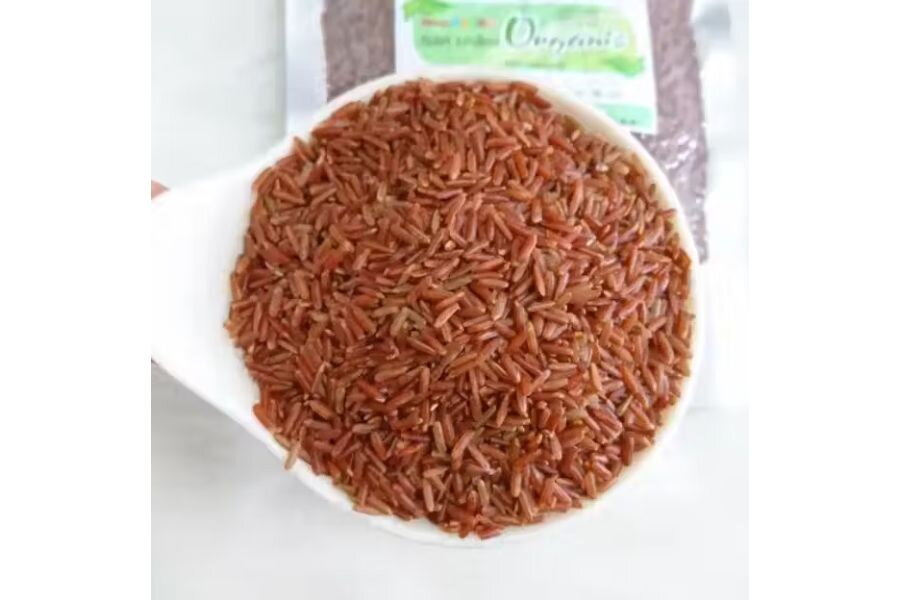
Brown rice is whole grain rice that undergoes minimal processing; only the outer husk is removed, while the bran and germ layers remain intact. This retention enhances its nutritional value, giving it a tan to brown color and a chewy texture. Vietnamese brown rice, cultivated primarily in the fertile regions like the Mekong Delta, carries the same benefits and features, reflecting Vietnam’s commitment to sustainable and healthy food production.
Key Characteristics of Vietnamese Brown Rice
-
Color: Light to dark brown, depending on rice variety and processing.
-
Texture: Chewy and firm due to the intact bran layer.
-
Flavor: Nutty and slightly earthy.
-
Nutritional content: High in dietary fiber, vitamins (notably B vitamins), minerals (iron, magnesium), and antioxidants.
-
Appearance: Grains are whole, unpolished, and slightly rough to the touch.
How to Identify Vietnamese Brown Rice Compared to Other Rice Types
Identifying brown rice among various rice types involves examining color, texture, aroma, and grain shape. Here’s how Vietnamese brown rice compares to others.
1. Vietnamese Brown Rice vs. White Rice
-
Color: Brown rice has a natural brownish hue due to the bran; white rice is polished bright white.
-
Texture: Brown rice is chewier and denser; white rice is soft and fluffy.
-
Aroma: Brown rice has a mild nutty scent; white rice is usually neutral.
-
Nutrition: Brown rice retains fiber and nutrients; white rice loses these during milling.
2. Vietnamese Brown Rice vs. Jasmine Rice
-
Type: Jasmine rice is typically white and polished; brown jasmine rice exists but is less common.
-
Color: Jasmine rice is white or slightly off-white; brown rice is distinctly brown.
-
Texture: Jasmine rice is soft and fragrant; brown rice is chewy and nutty.
-
Aroma: Jasmine rice has a floral scent; brown rice has a subtle earthiness.
3. Vietnamese Brown Rice vs. Parboiled Rice
-
Color: Parboiled rice is usually yellowish or golden due to steaming; brown rice remains brown.
-
Processing: Parboiled rice is partially steamed and milled; brown rice is only husked.
-
Texture: Parboiled rice cooks firm but is less chewy; brown rice is chewier.
-
Nutrition: Brown rice generally has more fiber; parboiled rice retains some nutrients through processing.
4. Vietnamese Brown Rice vs. Short Grain Rice
-
Grain Shape: Brown rice grains are medium to long; short grain rice is round and plump.
-
Texture: Brown rice is chewy; short grain rice is sticky.
-
Use: Brown rice is versatile; short grain rice is favored for sushi and sticky rice dishes.
Visual and Sensory Tips for Identification
-
Color Check: Look for tan to deep brown grains with visible bran layers.
-
Touch and Feel: Brown rice grains feel slightly rough and firm; polished rice is smooth.
-
Cooking Behavior: Brown rice requires longer cooking times and results in chewier grains.
-
Smell: Nutty aroma when raw or cooked suggests brown rice.
Nutritional Advantages That Aid Identification
Brown rice stands out due to its higher:
-
Dietary fiber (3.5g per serving vs. 0.5g in white rice).
-
Magnesium and potassium content.
-
Antioxidant levels, particularly in pigmented varieties.
-
Vitamin B complex presence.
Why Choose Vietnamese Brown Rice?
-
Health benefits: Supports digestion, heart health, and blood sugar control.
-
Flavor profile: Nutty, rich taste enhances dishes.
-
Sustainability: Whole grain processing reduces waste.
-
Cultural relevance: Increasingly embraced in Vietnamese and global diets.
Conclusion
Vietnamese brown rice is a nutritious, flavorful whole grain rice that is easy to identify due to its distinctive color, texture, and nutritional profile. Compared to white, jasmine, parboiled, and short grain rice, brown rice offers unique health benefits and culinary experiences. Recognizing these differences helps consumers make informed choices for healthier, tastier meals.
Learn more: Brown Rice
TVQuản trị viênQuản trị viên
Xin chào quý khách. Quý khách hãy để lại bình luận, chúng tôi sẽ phản hồi sớm