
 Brian Dương
#What Is Vietnamese ST25 Rice? Comparison with Other Types of Rice
What Is Vietnamese ST25 Rice? Comparison with Other Types of Rice
27/05/2025 -
Nội dung bài viết
Vietnamese ST25 rice has garnered international acclaim for its exceptional aroma, taste, and texture, earning its place among the world’s finest rice varieties. Developed through dedicated research and cultivation in the fertile Mekong Delta, ST25 rice embodies Vietnam’s rich agricultural heritage and innovation. This article explores what Vietnamese ST25 rice is and compares it with other popular rice varieties, highlighting why it stands out on the global stage.
Understanding Vietnamese ST25 Rice
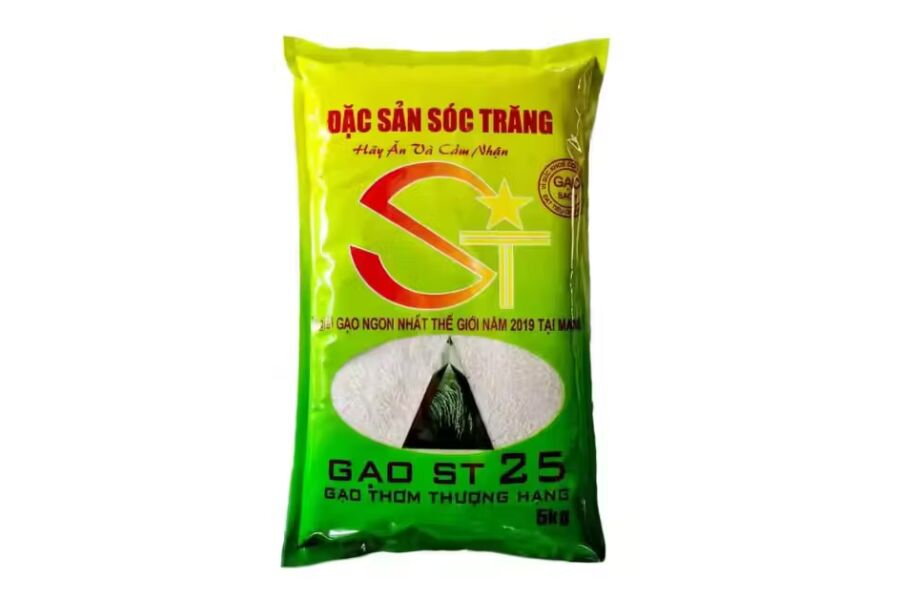
ST25 rice is a premium jasmine rice variety developed in Vietnam by agricultural scientist Le Hong Nhut and his team. It is renowned for its distinctive fragrance, soft texture, and delightful flavor. The rice is cultivated primarily in the Mekong Delta, where ideal climatic conditions and fertile soils contribute to its superior quality.
Key Characteristics of ST25 Rice
-
Aromatic Fragrance: ST25 rice has a powerful jasmine-like scent, often described as floral and sweet, which intensifies when cooked.
-
Grain Appearance: The rice grains are long, slender, and uniform with a polished bright white color.
-
Texture: When cooked, the grains are soft, fluffy, and slightly sticky, providing an ideal mouthfeel.
-
Flavor: It offers a subtle sweetness and balanced flavor that complements a wide range of dishes.
-
High Yield and Resilience: Developed for both excellent quality and agricultural productivity.
The Rise of ST25 Rice
ST25 rice rose to fame after winning the 2019 World Rice Conference award for the best rice variety worldwide, a prestigious accolade that brought global attention to Vietnamese rice. Its victory signified not only its superior qualities but also the progress Vietnam has made in agricultural research and rice production.
Comparison with Other Popular Rice Varieties
To appreciate ST25 rice fully, it’s helpful to compare it with other renowned rice types such as Thai jasmine rice, Basmati rice, long grain white rice, and short grain rice.
1. ST25 Rice vs. Thai Jasmine Rice
-
Aroma: While both are aromatic jasmine varieties, ST25 rice is generally considered to have a stronger and more pleasant floral aroma.
-
Texture: ST25 rice tends to be softer and slightly stickier, whereas Thai jasmine rice is a bit drier and less sticky.
-
Flavor: ST25 offers a subtle sweetness, whereas Thai jasmine has a milder, more neutral taste.
-
Grain Length: Both have long grains, but ST25 grains are often more uniform and polished.
2. ST25 Rice vs. Basmati Rice
-
Origin: ST25 is Vietnamese jasmine rice; basmati originates from India and Pakistan.
-
Aroma: Basmati rice has a distinct nutty, spicy aroma; ST25’s scent is floral and sweet.
-
Texture: Basmati grains are longer, dryer, and fluffier; ST25 is softer with slight stickiness.
-
Culinary Use: Basmati is favored in Indian and Middle Eastern cuisines; ST25 fits Southeast Asian dishes perfectly.
3. ST25 Rice vs. Regular Long Grain White Rice
-
Aroma: Regular long grain white rice is usually neutral with little aroma; ST25 has a strong jasmine fragrance.
-
Texture: Regular long grain rice is firmer and less sticky; ST25 is soft and fluffy.
-
Flavor: Regular white rice has a bland taste; ST25 has a subtle, sweet flavor.
-
Quality: ST25 is considered premium, often priced higher due to its unique characteristics.
4. ST25 Rice vs. Short Grain Rice
-
Grain Shape: ST25 has long, slender grains; short grain rice is round and plump.
-
Texture: ST25 is fluffy and slightly sticky; short grain rice is sticky and clumps together.
-
Usage: ST25 is ideal for steamed rice and fried rice; short grain rice is used in sushi, sticky rice dishes, and rice cakes.
Why ST25 Rice Stands Out
Several factors make ST25 rice exceptional:
-
Award-Winning Quality: International recognition boosts its reputation.
-
Strong Fragrance: Its aromatic quality appeals to both casual consumers and gourmet chefs.
-
Ideal Texture: The soft, fluffy grains provide a pleasant eating experience.
-
Versatility: Suitable for many dishes, from everyday meals to special occasions.
-
Cultural Significance: Represents Vietnam’s agricultural pride and culinary heritage.
Culinary Uses of ST25 Rice
ST25 rice is versatile and commonly used in:
-
Steamed rice: As a side dish to grilled meats, seafood, and vegetable dishes.
-
Fried rice: Its grains remain separate and absorb flavors well.
-
Rice bowls: Complements fresh herbs and toppings in Vietnamese meals.
-
Special events: Preferred for banquets and festive occasions.
-
International cuisines: Used increasingly in fusion and gourmet recipes.
How to Cook ST25 Rice Perfectly
-
Rinse thoroughly to remove surface starch.
-
Use 1.5 to 1.75 cups of water per cup of rice.
-
Cook without stirring to prevent grain breakage.
-
Let rice rest for 5-10 minutes after cooking for moisture to evenly distribute.
-
Use a rice cooker or heavy pot for best results.
Conclusion
Vietnamese ST25 rice is a premium jasmine rice variety that sets the gold standard for aromatic rice worldwide. Compared to Thai jasmine, basmati, and other common rice types, ST25 stands out for its superior fragrance, soft texture, and delightful flavor. Its international awards and growing global demand reflect Vietnam’s dedication to excellence in rice production.
Whether enjoyed in a humble family meal or a gourmet dining experience, ST25 rice delivers unmatched quality and taste, embodying the best of Vietnamese agriculture and culinary tradition.
Learn more: ST25 Rice
Xem thêm: https://foods.be5.com.vn/gao-thom-st25/
TVQuản trị viênQuản trị viên
Xin chào quý khách. Quý khách hãy để lại bình luận, chúng tôi sẽ phản hồi sớm